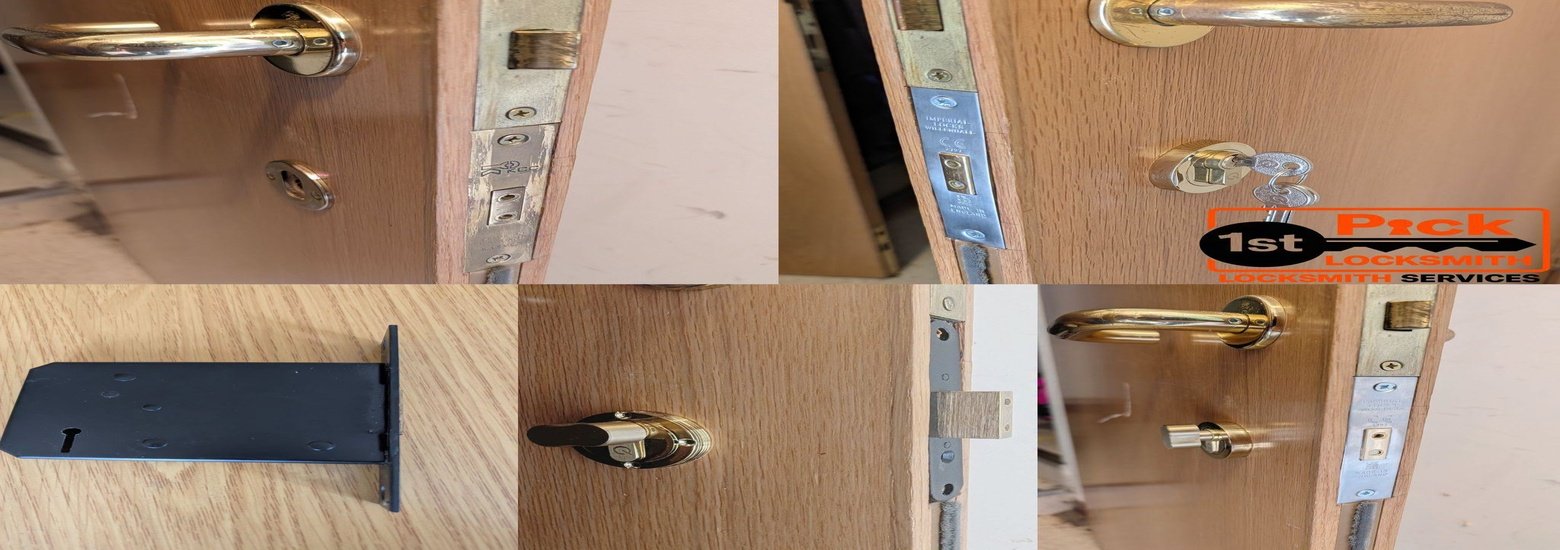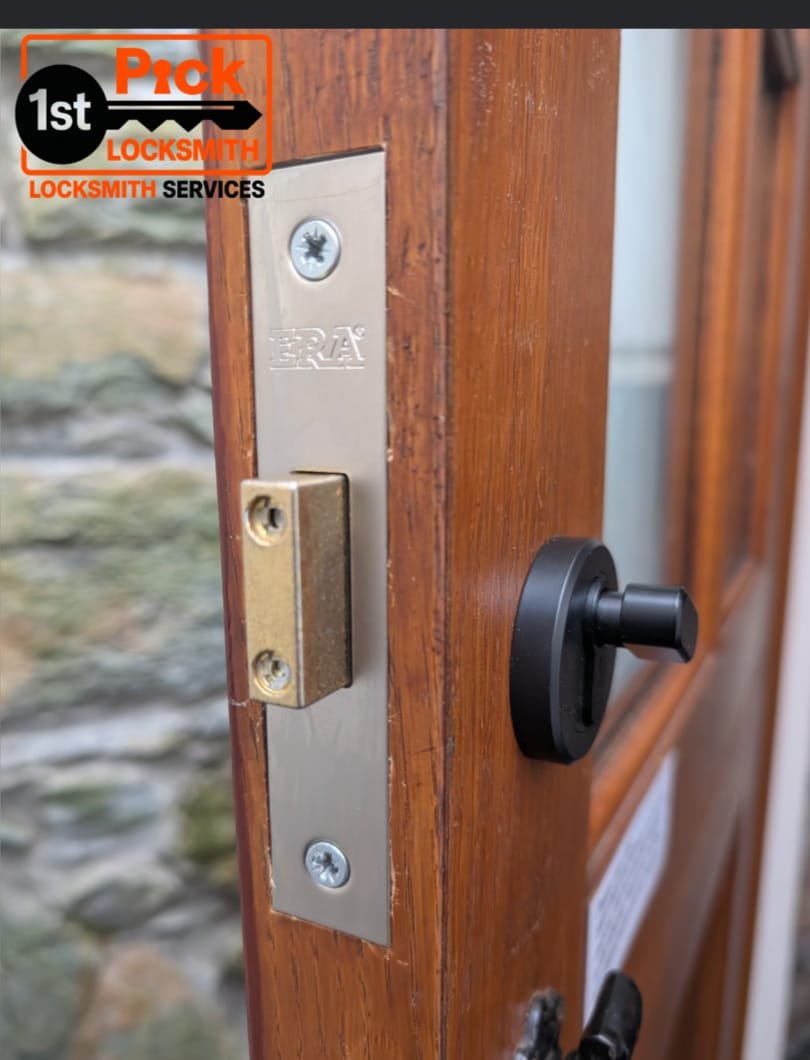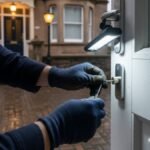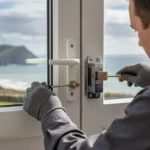
A garage door that won’t lock leaves your tools, bikes and car exposed. If the garage is attached to your house, it can also give a way into your home. The cause is usually a damaged lock, a faulty handle, a snapped cable or a door that no longer lines up with its frame.
Many locking problems come from one simple fault, and some can be fixed with a small adjustment. Others need a professional. This guide explains why your garage door may not be locking, what you can safely check yourself and when to call a locksmith.
Why won’t my garage door lock?
A garage door might not lock because the lock is damaged, the mechanism is jammed, the door isn’t closing fully or worn parts have stopped working.
Before you try anything, make sure the door closes fully. Look for visible damage to the lock, handle and frame. Don’t force the key or the handle, because that can turn a small fault into a broken part.
Here are the most common causes and how each one is fixed.
1. The garage door lock is broken
Garage door locks wear out with regular use, rust or poor maintenance. The key may not fit, the lock may feel loose or it may no longer hold the door shut.
Cleaning and lubricating the lock can sometimes restore normal movement. If the internal parts are damaged or badly worn, the lock needs replacing. We check the mechanism and fit a suitable replacement through our lock replacement service.
2. The garage door handle won’t turn
Many garage doors have a handle that operates the locking points. If the handle won’t turn, you can’t lock or unlock the door.
This happens when the handle mechanism becomes stiff, the spindle is damaged or internal parts wear out. Dirt and dust can also jam it.
First, check whether the door sits level in its frame. Pressure on the locking points can make the handle hard to turn. Don’t force it, because it may break. We can inspect the handle and replace damaged parts, and a worn-out handle is best replaced. See our handle replacement service.
3. The garage door lock cable has snapped
Some garage doors use cables to connect the handle to the locking points. The cables move the locking bars when you turn the handle.
When a cable snaps, the handle may move without locking the door, or only one side of the door secures. A snapped cable needs replacing, because the lock won’t work properly without it. We check the cable and the parts attached to it, then replace whatever is damaged.
Never pull or reconnect a cable unless you know how the system works. Some garage door parts are under tension, and an incorrect repair can cause injury or damage.
4. The door is misaligned
If the door doesn’t sit properly in its frame, the lock won’t work. A door that has dropped, shifted or bent can leave the locking points out of line with their slots. The handle may become stiff, or the lock may not engage at all. You may also see gaps around the door.
The repair depends on the cause. We may adjust the door, hinges, frame or locking points, and replace parts that are damaged. See our door and window alignment service and hinge repairs. A door that closes evenly puts less strain on the lock and helps stop the same fault returning.
5. The locking mechanism is stiff or jammed
Dirt, rust and a lack of lubrication can make a garage door lock hard to use. Moisture and cold weather can also affect the metal.
If the lock feels hard to turn, look for dirt or rust around the mechanism. Use a suitable lock lubricant if it’s right for your type of lock, and don’t put heavy pressure on the key or handle. If the lock still doesn’t respond, the fault is probably inside the mechanism. We can find the cause and repair or replace the damaged parts.
6. Up-and-over garage door lock repair
Many UK homes have up-and-over garage doors. These lift outwards and upwards before sliding into the garage, and they usually lock with rods or bars at the sides.
Problems start when the rods bend, the handle wears or the locking points move out of position. The door may look closed but won’t lock. The most common repairs involve the handle, rods, cables and locking points, and we repair or replace whatever is damaged.
If the door is also hard to lift or sits crooked, the problem is bigger than the lock. A full inspection can find other faults before they cause more damage.
How to prevent garage door lock problems
- Inspect the lock regularly for rust, loose fittings and wear.
- Keep the mechanism clean. Remove dirt and lubricate it when needed.
- Test the handle gently. It should move smoothly without much force.
- Check the door’s alignment. It should close evenly, with the locking points lined up.
- Repair problems early. Don’t ignore stiffness, strange noises or a lock that won’t engage.
When to call a locksmith
Call us if the door still won’t lock after the simple checks above, if a cable has snapped, if the door or lock was damaged in a break-in or if you can’t secure the garage tonight. See our garage door repairs page for what we do. If you’re locked out, we use non-destructive entry wherever possible.
Get your garage door locking again
Choose 1st Pick Locksmiths if you have garage door problems. Whether the problem is big or small, we’ve got you covered.